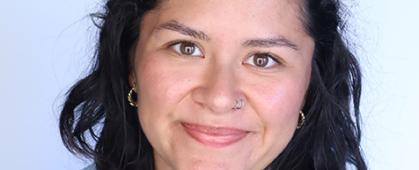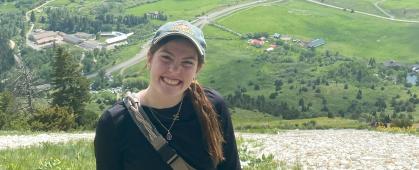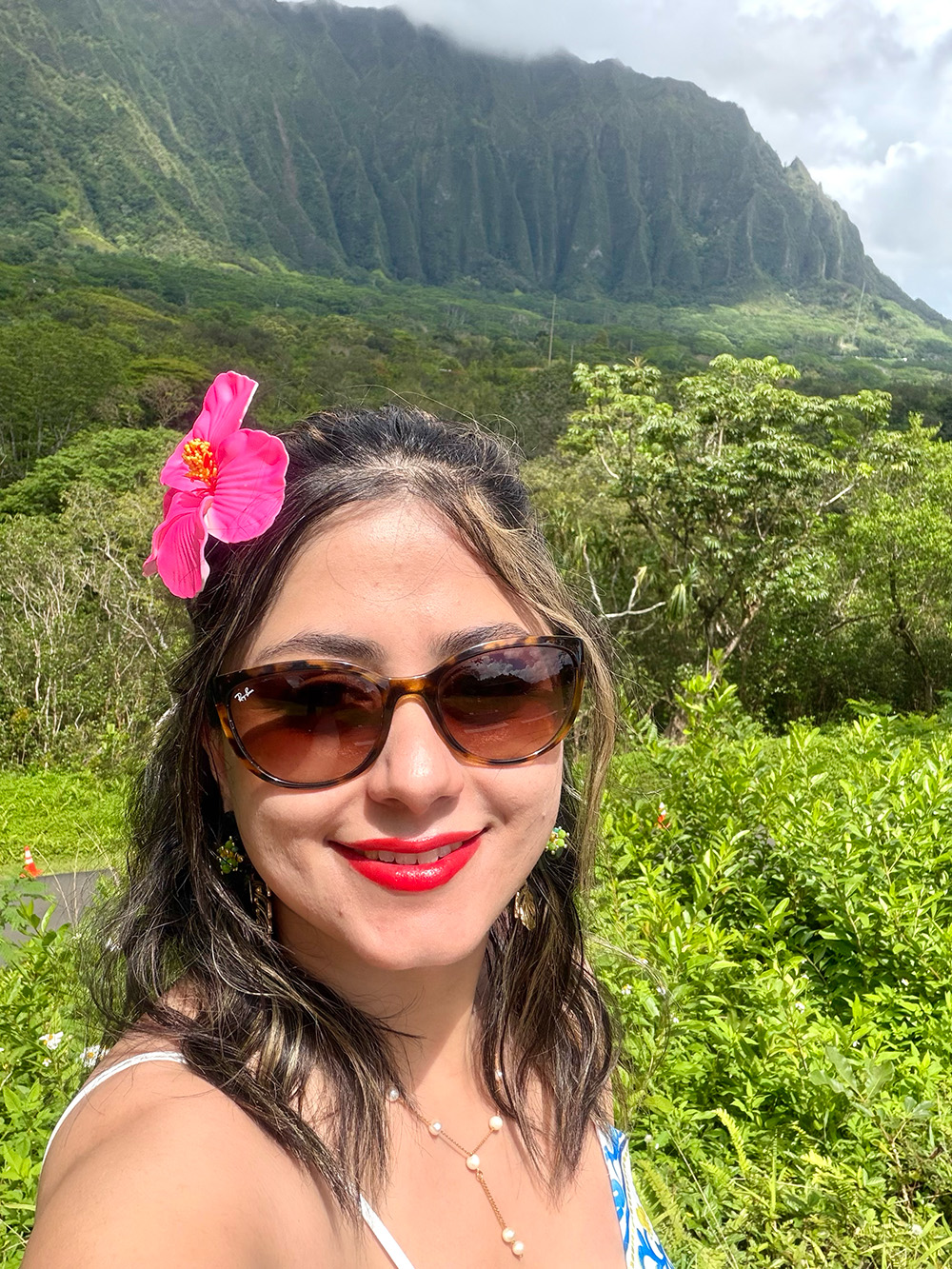
Where are you from?
I am originally from Iran. Before coming to the United States, I also lived in South Korea and Canada, which gave me experience with different cultures and academic environments.
What do you like to do for fun?
I enjoy spending time outdoors, traveling, photography, and exploring nature with my family.
Describe your research:
My research focuses on prescribed fire smoke and air quality, especially PM2.5 exposure in vulnerable communities. I use GIS, remote sensing, and environmental datasets to study how smoke changes before, during, and after prescribed fires, and how it may affect public health and different populations in Montana.
What is your anticipated graduation date?
I'm a masters student, planning to graduate in Spring 2027.
What got you into STEM?
I have always been curious about nature, science, and technology. I enjoyed solving problems and understanding how systems work, especially environmental systems and how science can help improve people’s lives.
How did you go from that initial inspiration to your current research?
My background includes environmental science, GIS, microbiology, and remote sensing. Over time, I became interested in how environmental changes affect communities. That led me to research wildfire and prescribed fire smoke, combining data analysis, mapping, and public health perspectives.
What challenges have you faced as a woman in STEM circles?
One challenge has been adapting to new academic and cultural environments while building confidence in competitive STEM fields. Sometimes women need to work harder to prove themselves, especially in technical areas. However, these experiences also made me more resilient and motivated to continue growing in research and science.
What is your advice for young people in STEM?
Do not be afraid to ask questions or make mistakes. STEM can feel challenging at first, but curiosity and persistence are very important. Find supportive mentors, stay confident in your abilities, and remember that your background and perspective can bring valuable ideas to science.
What do you want to do next?
I want to continue working in environmental research and GIS-related projects that help communities and improve understanding of air quality and environmental health. I also hope to inspire more women and students to pursue STEM careers.